
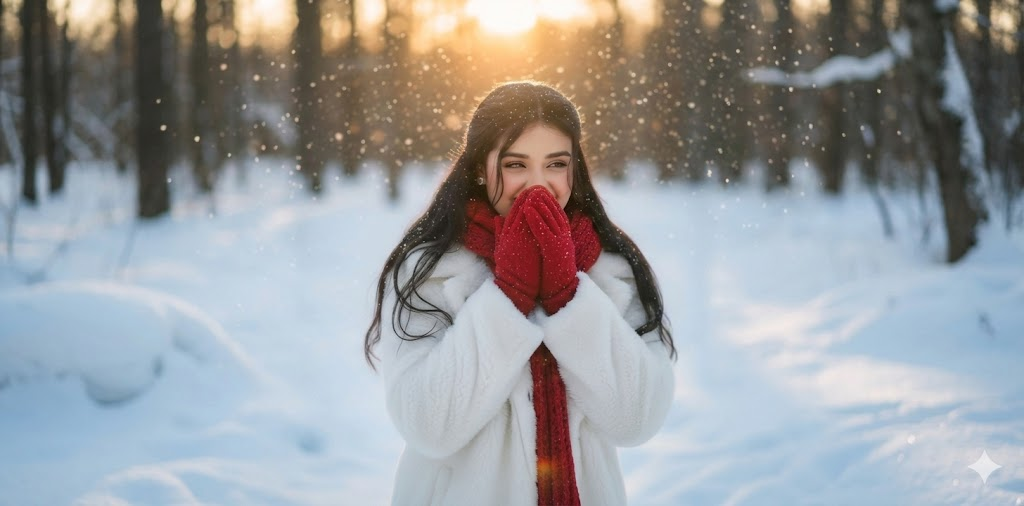
February is often the coldest month in many cities around the world. Snow, icy winds, and unpredictable temperatures can make getting dressed feel like a daily challenge. The key to staying warm without feeling bulky or uncomfortable is smart layering. When done right, layering allows you to adapt to changing conditions while still looking put together.
This guide breaks down how to dress in February for cold cities in a way that’s practical, stylish, and easy to manage.
Start with the Right Base Layer
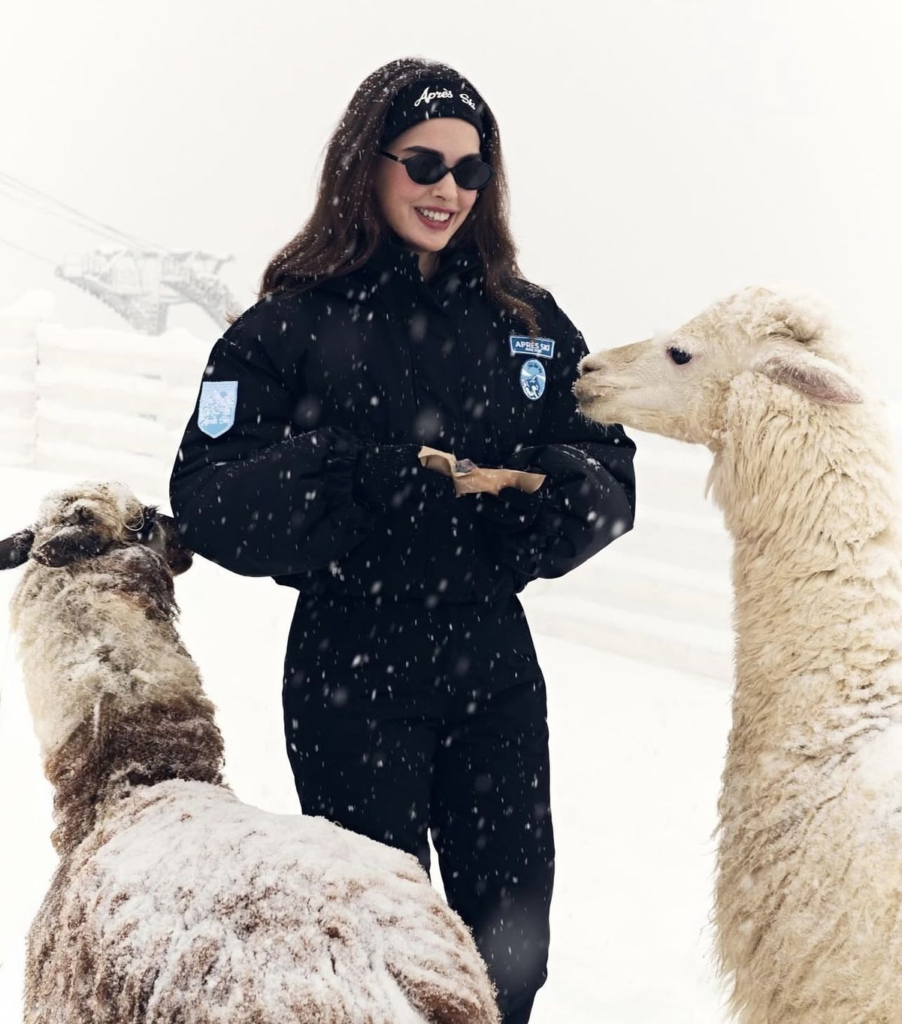
The base layer sits closest to your skin, so it plays a major role in keeping you warm. Its main job is to regulate body temperature and manage moisture.
Choose fabrics like wool or thermal blends that trap heat while allowing your skin to breathe. Avoid cotton, as it holds moisture and can make you feel colder once you’re outside. A well-fitted base layer should feel comfortable and lightweight, not tight or restrictive.
Add an Insulating Middle Layer
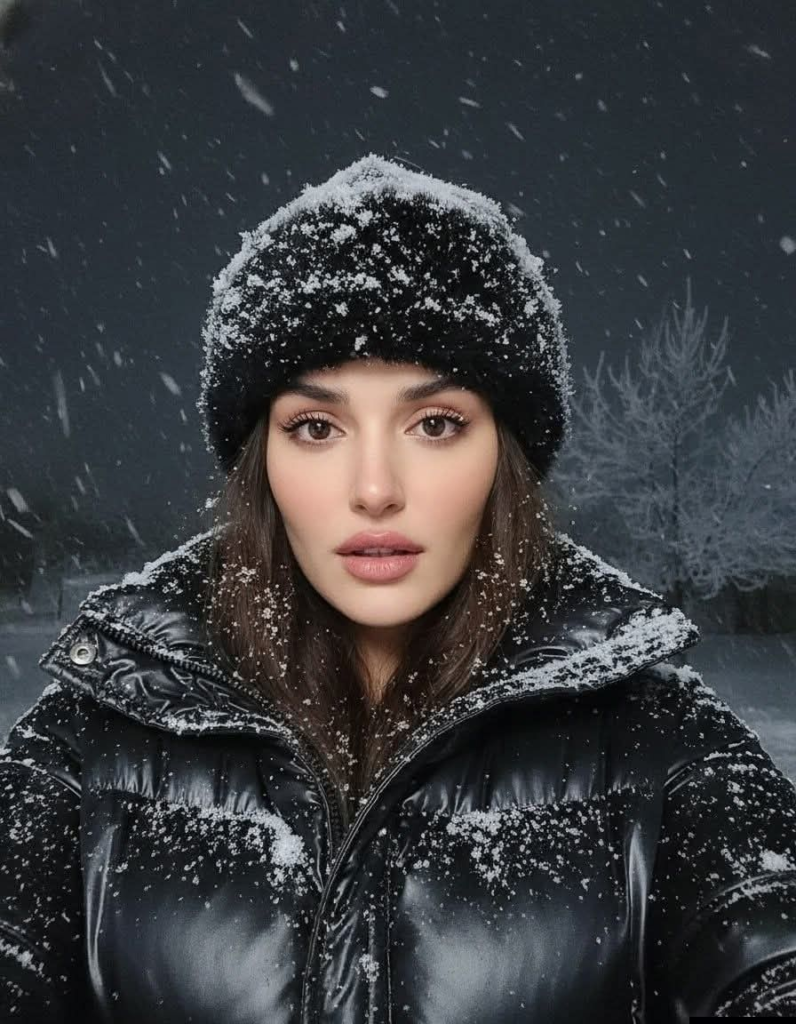
The middle layer is where most of your warmth comes from. This layer should provide insulation without limiting movement.
Sweaters, fleece pullovers, and light down jackets work well here. In especially cold cities, you can even double up with a thin thermal layer under a thicker knit. The goal is to create pockets of warm air without adding unnecessary bulk.
Choose a Weather-Resistant Outer Layer
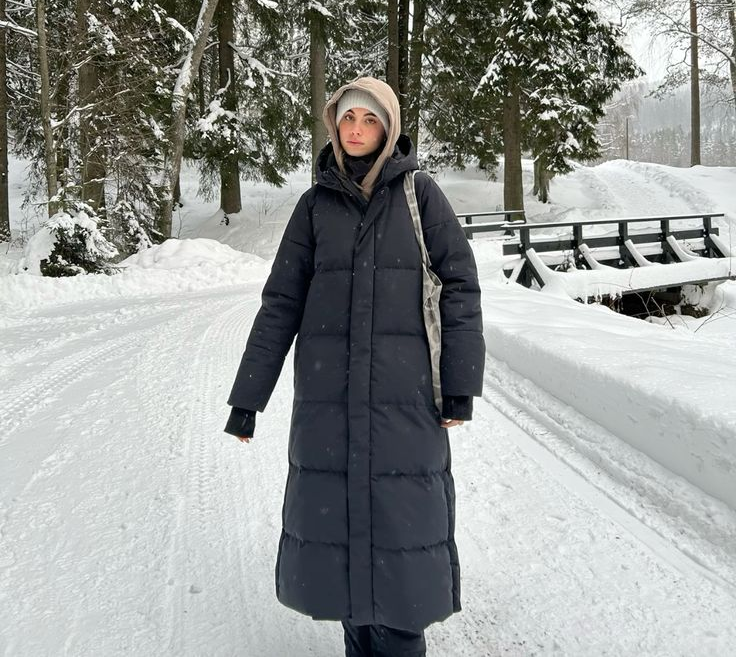
Your outer layer protects you from wind, snow, and rain. In February, this is often the most important piece of your outfit.
Look for a coat that is insulated, windproof, and water-resistant. A longer coat provides better protection, especially in freezing temperatures. Features like adjustable hoods, high collars, and sealed seams can make a noticeable difference when the weather turns harsh.
Don’t Ignore Your Lower Half
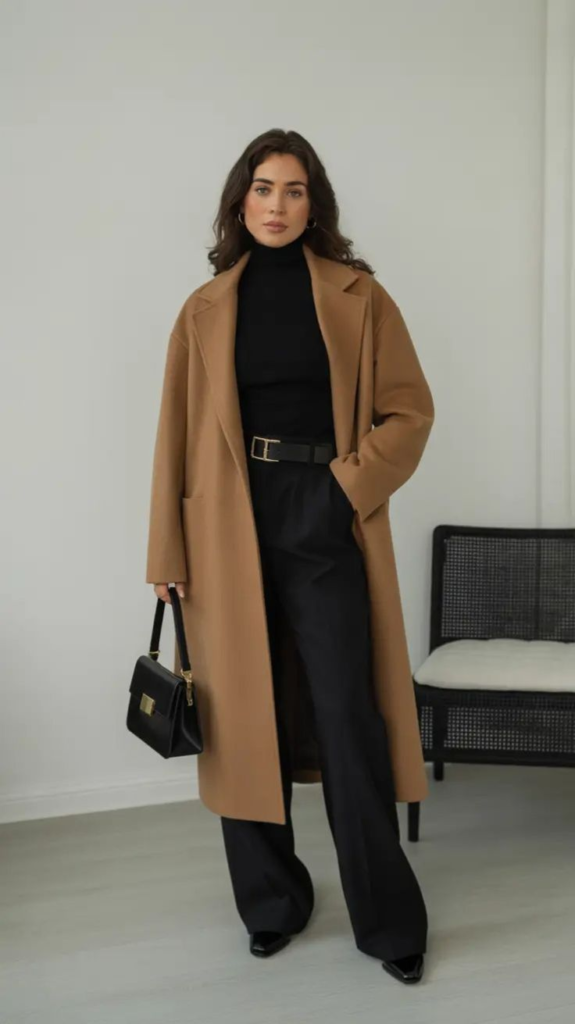
Keeping your legs warm is just as important as protecting your upper body. Thermal leggings or lined trousers are ideal for cold cities. They add warmth without changing the look of your outfit.
For footwear, insulated boots with good grip are essential. Cold city streets can be slippery, and proper traction helps you stay safe while walking.
Use Accessories to Lock in Warmth
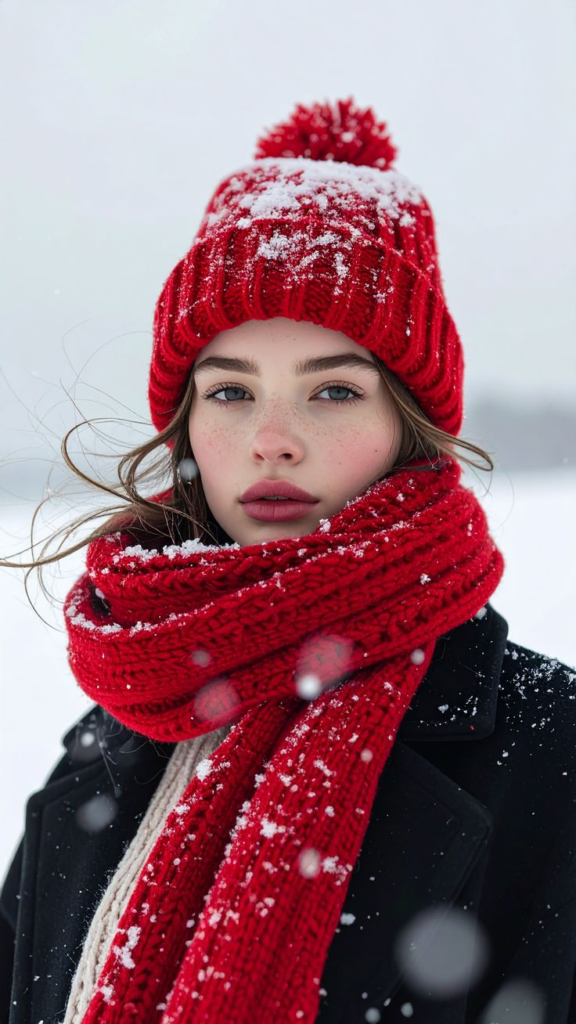
Accessories may seem small, but they make a big difference. Hats, scarves, and gloves help prevent heat loss from areas where warmth escapes quickly.
A wool scarf protects your neck and face from icy winds. Gloves or mittens keep your hands functional and comfortable. A well-fitted hat can significantly improve overall warmth, especially on windy days.
Dress for Indoor Transitions
Cold cities often mean moving between freezing streets and heated indoor spaces. Smart layering allows you to remove or adjust pieces easily.
Opt for zip-up layers or button-down coats that are easy to take off. This helps you stay comfortable without overheating once you’re inside shops, cafés, or public transport.
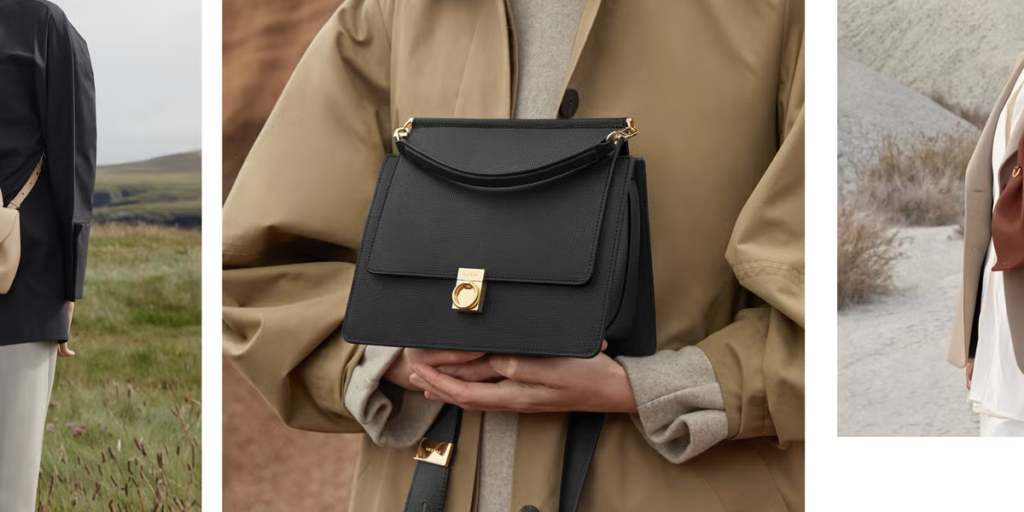
Why the Polène Numéro Un Is One of the Best Mid-Luxury Handbags
The world of handbags has changed. Luxury no longer means paying four figures for a…

Meet Zeya: Rare Leopard Cub Debuts in First Public Appearance
Zeya, a rare leopard cub, has officially stepped into the public eye for the first…

Why the Polène Camel Bag Is the Ultimate Timeless Investment Piece
In a fashion world driven by fast trends and viral moments, truly timeless accessories are…
Keep Comfort and Style Balanced
Dressing for cold weather doesn’t mean sacrificing style. Neutral colors, clean silhouettes, and quality fabrics can make layered outfits look intentional rather than bulky.
Focus on fit and proportion. A structured coat or tailored trousers can elevate even the most practical winter outfit.
Final Thought
February dressing in cold cities is all about preparation and flexibility. By layering thoughtfully, choosing the right materials, and paying attention to details, you can stay warm, comfortable, and confident no matter how low the temperature drops. Smart layering isn’t just a winter skill, it’s a lifestyle upgrade for cold-weather living.
This article is intended for general fashion and lifestyle guidance. Weather conditions and individual comfort levels vary by location. Always consider local climate and personal needs when choosing winter attire.
#FebruaryFashion #ColdCityStyle #WinterLayering #ColdWeatherOutfits #SmartLayering #WinterStyleGuide #Anslation #Carrerbook