
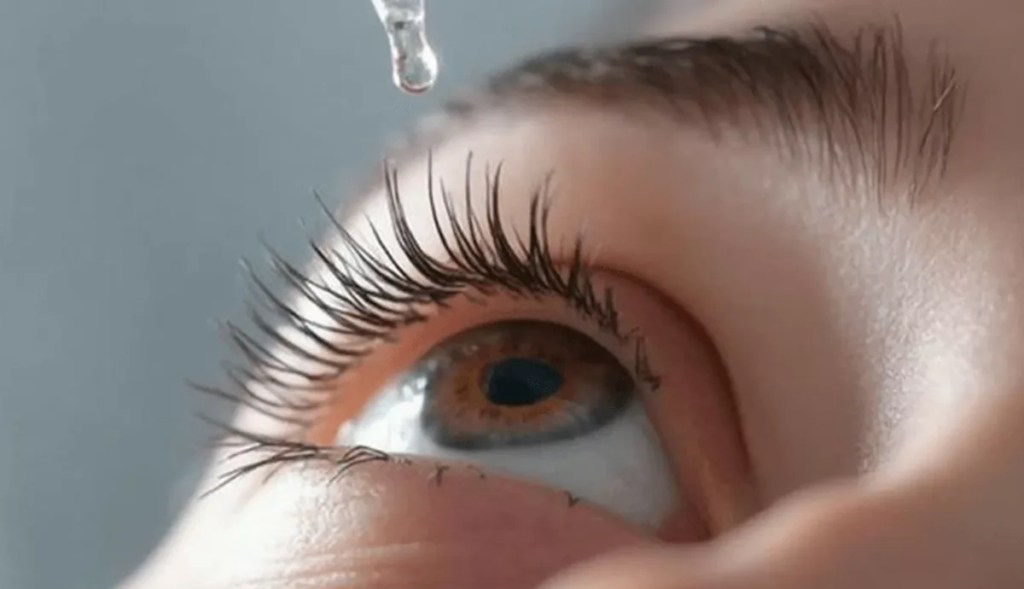
Taking care of your eyes isn’t about following a complex 10-step routine or buying overhyped “brightening” drops. Eyes Care It mostly comes down to protecting them from daily strain and paying attention when they feel fatigued.
Since most of us spend hours staring at monitors, scrolling on phones, and living under harsh indoor lighting, eye strain has become the norm.Eyes Care Here is a practical, down-to-earth breakdown of what actually keeps your eyes comfortable and healthy.
Key Daily Habits for Eyes Care
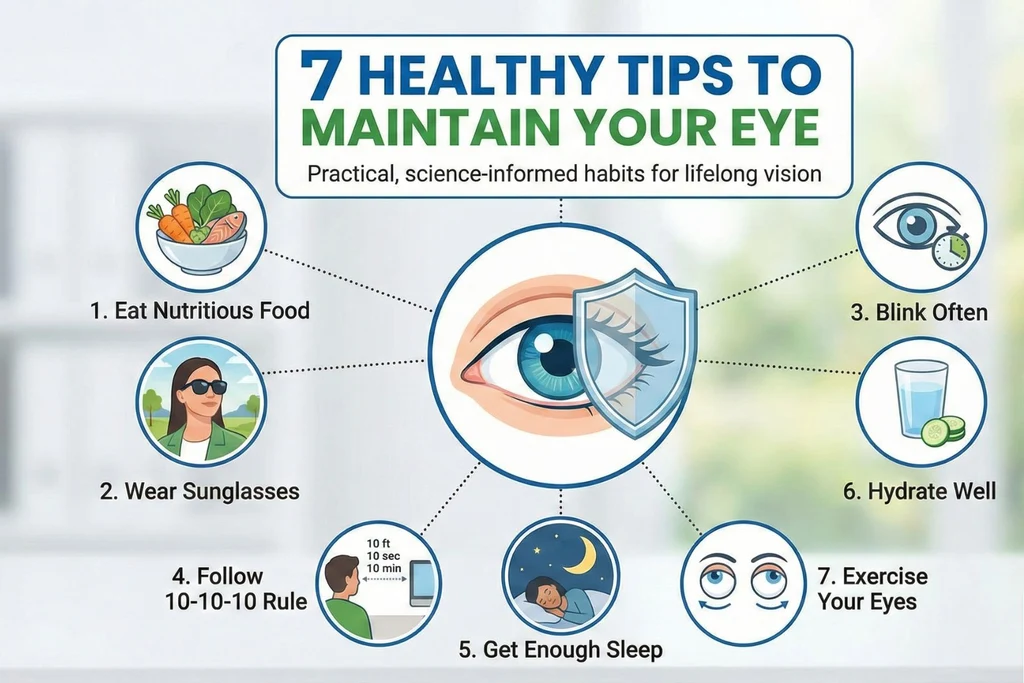
1. Fix Your Screen Environment If you work on a computer all day, small adjustments to your desk setup prevent immediate fatigue:
- Distance: Keep your screen about an arm’s length away. If you find yourself leaning in, increase the display text size instead of straining your neck and eyes.
- Position: Angle the display so the top of the monitor sits slightly below eye level. Looking down at a gentle angle exposes less of your eyeball surface, reducing dryness.
- Lighting: Position your display perpendicular to windows to avoid harsh reflections. If you see glare on your screen, adjust your desk or room lighting until the display looks even.
2. Practice Active Rest Staring at a screen naturally cuts your blink rate in half, leading to dry, gritty eyes.
- The 20-20-20 Shift: Every 20 minutes, look away from your screen at an object roughly 20 feet away for 20 seconds. This relaxes the focusing muscle inside your eye.
- Real Breaks: Step away from the computer without pulling out your phone. Eyes Care Giving your eyes a true break means looking at real-world depth rather than another backlight.
3. Simple Everyday Protection
- UV Shielding: Wear sunglasses rated for full UV protection outdoors, even on overcast days. Bright indirect light strains your eyes without you realizing it.
- Hands Off: Avoid rubbing your eyes, which transfers bacteria and physically irritates the delicate blood vessels around the cornea.
Eye Care Choices: What Works vs. What Doesn’t

| Focus Area | Good Approach | Bad Habit to Avoid |
|---|---|---|
| Dryness Relief | Use simple preservative-free lubricating drops if needed; consult an optometrist if dryness persists. | Relying on red-ness relieving drops long-term, which causes “rebound redness” when they wear off. |
| Contact Lens Hygiene | Always wash hands before touching lenses; store them in fresh saline solution daily. | Sleeping in contacts or rinsing them with tap water, which introduces harmful pathogens. |
| Late Night Comfort | Dim screens and use warm-color modes 1–2 hours before sleep. | Staring at high-brightness screens in a completely pitch-black room right before bed. |
When to Skip Home Eyes Care and See a Doctor
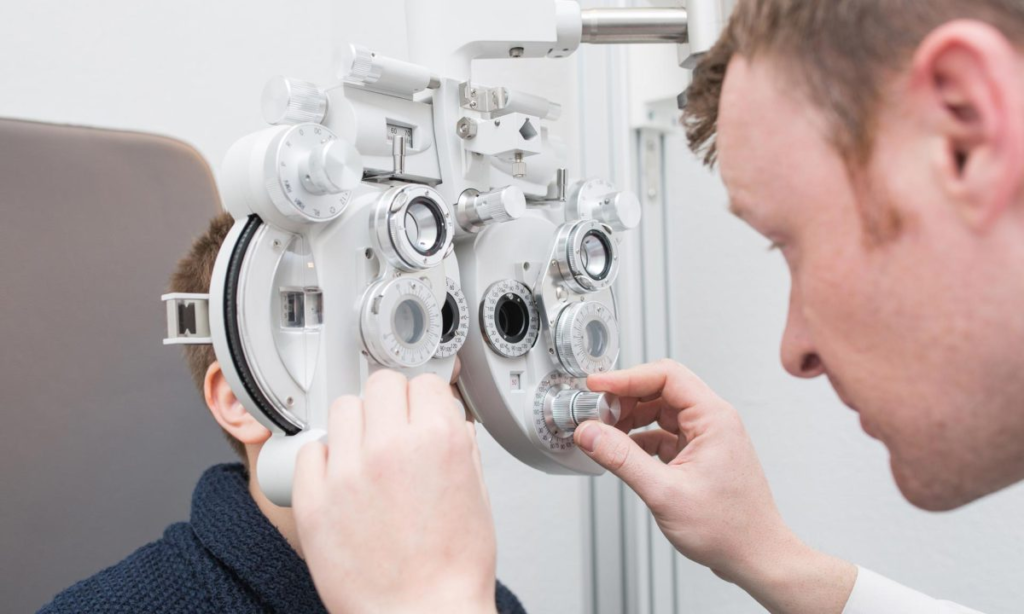
Eyes Care handles basic tiredness, but some signs require professional medical evaluation. Schedule an appointment if you experience:
- Blurry or double vision that doesn’t clear after resting
- Persistent pain, throbbing, or deep soreness around the eye socket
- A sudden surge of floaters, light flashes, or a dark shadow in your field of view
- Unexplained, ongoing redness paired with sensitivity to light
Start with the low-hanging fruit today: push your computer screen back a few inches, turn down the brightness, and remember to look out the window every once in a while.
FAQ’S
1. What are the best self-care tips for healthy-looking eyes?
Get enough sleep, take regular screen breaks, stay hydrated, eat a balanced diet, protect your eyes from UV rays, and maintain good eye hygiene.
2. How can I make my eyes look brighter naturally?
Adequate sleep, hydration, balanced nutrition, and reducing eye strain can help your eyes look more refreshed. Avoid products that promise instant or permanent changes.
3. How can I reduce eye strain from screens?
Follow the 20-20-20 approach, blink regularly, adjust screen brightness, reduce glare, and take short breaks during long periods of screen use.
4. Are sunglasses important for eye care?
Yes. Sunglasses that provide appropriate UV protection can help protect your eyes from excessive ultraviolet exposure when you’re outdoors.
5. When should I see an eye-care professional?
See an eye-care professional for persistent pain, redness, irritation, or vision changes. Sudden vision loss or a serious eye injury requires urgent medical attention.